‘Opportunities Like This Don’t Come Around Often’ Episode 2 of our ‘One Vision’ series looks at the radical interior of the McLaren W1. With a carbon fibre monocoque unlike any other in McLaren’s history, the W1 also called for an interior that would break new ground. With its seats integrated into the monocoque and its anhedral doors, everything about the cockpit is new for W1. “Really optimised, really focused and really innovative,” is how Principal Designer Alex Alexiev describes the result.

W1 ‘One Vision’ Episode 2
THE McLAREN W1 INTERIOR
A NEW APPROACH

INSIDE STORY
Alex was the lead designer of the W1’s interior, although in his 13 years at McLaren, he has also styled the exterior for cars like the MSO-produced Sabre and the Ultimate Vision Gran Turismo – the PlayStation car that evolved into the real-world McLaren Solus. “Because we’re such a small team, we’ve had opportunities to participate in both exterior and interior,” explains Alex. He spent around four years working on the W1’s cockpit, from conception to completion.

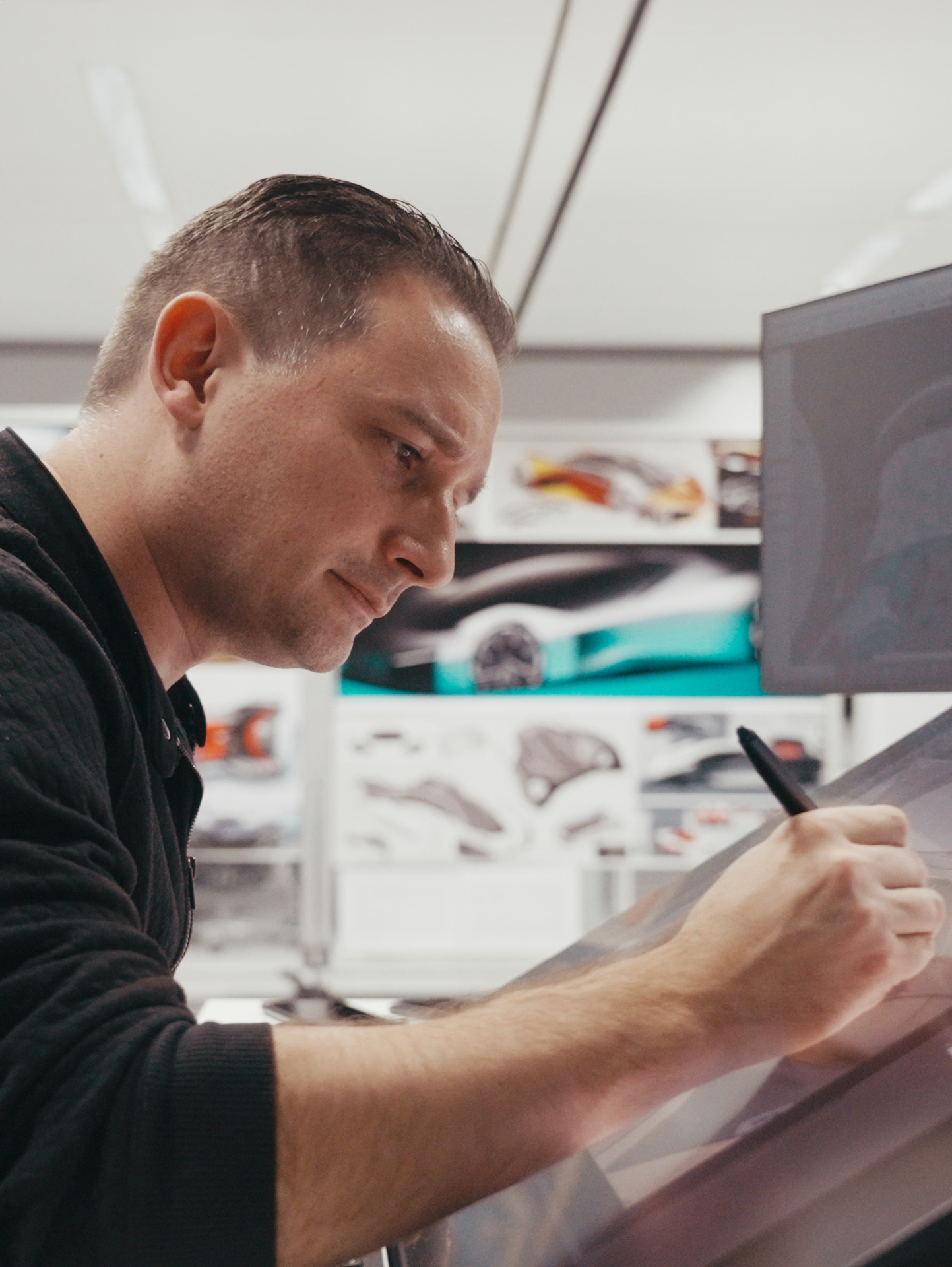
A Word from McLaren
"The W1 features the purest and most radical interior we've ever done"
Alex Alexiev
Principal Designer

WRAPPED IN INNOVATION
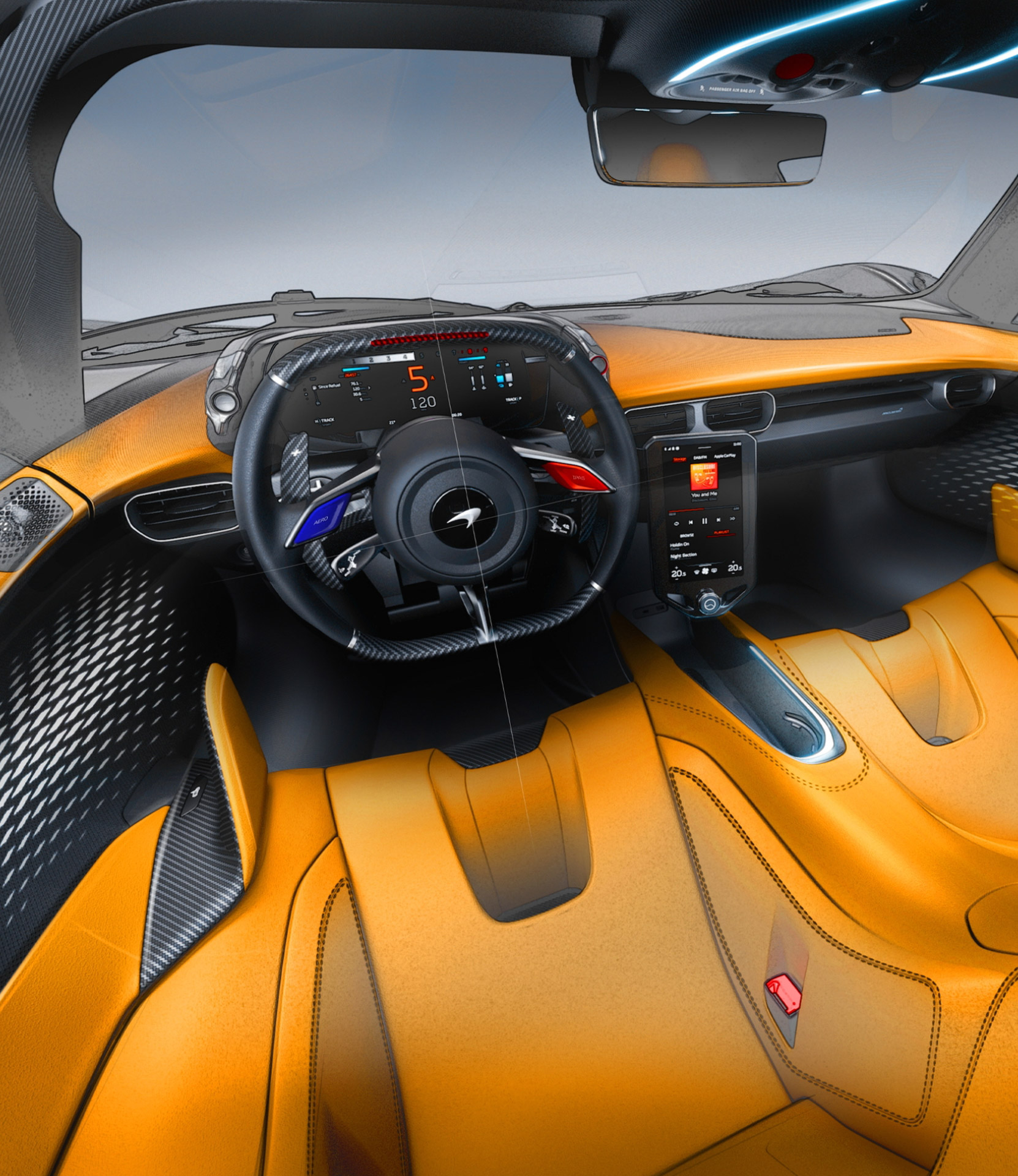
Alex describes how the W1’s interior was given a strong, wrap-around architecture that flows around the cabin and into the monocoque. Despite the car’s breathtaking performance, everyday usability and comfort were also priorities. “The negative sculpture in the doors was really important to get an enhanced perception of space within the cabin,” Alex explains. In other words, the door panels are sculpted inward to create visual depth and make the cabin feel more spacious. The result is improved interior space compared to the McLaren P1™, even though the W1’s monocoque, the McLaren Aerocell, is more compact.
This refers to the way the door panels are sculpted inward, creating visual depth and making the cabin feel more spacious.
BLANK SHEET
One personal highlight for Alex in the W1 programme was the opportunity to design a brand-new steering wheel. Starting with a blank sheet allowed the team to reduce the diameter of the steering wheel, compared to the standard McLaren wheel. A smaller diameter, combined with a flat top and bottom, delivers quicker, more responsive steering while improving driver access and visibility. However, one McLaren-renowned feature remained: the W1’s steering wheel only features two buttons, one for Boost and another for Aero. A setup familiar to any P1™ owner – pure, driver-focused, and no unnecessary distractions.

SEAMLESS INTEGRATION
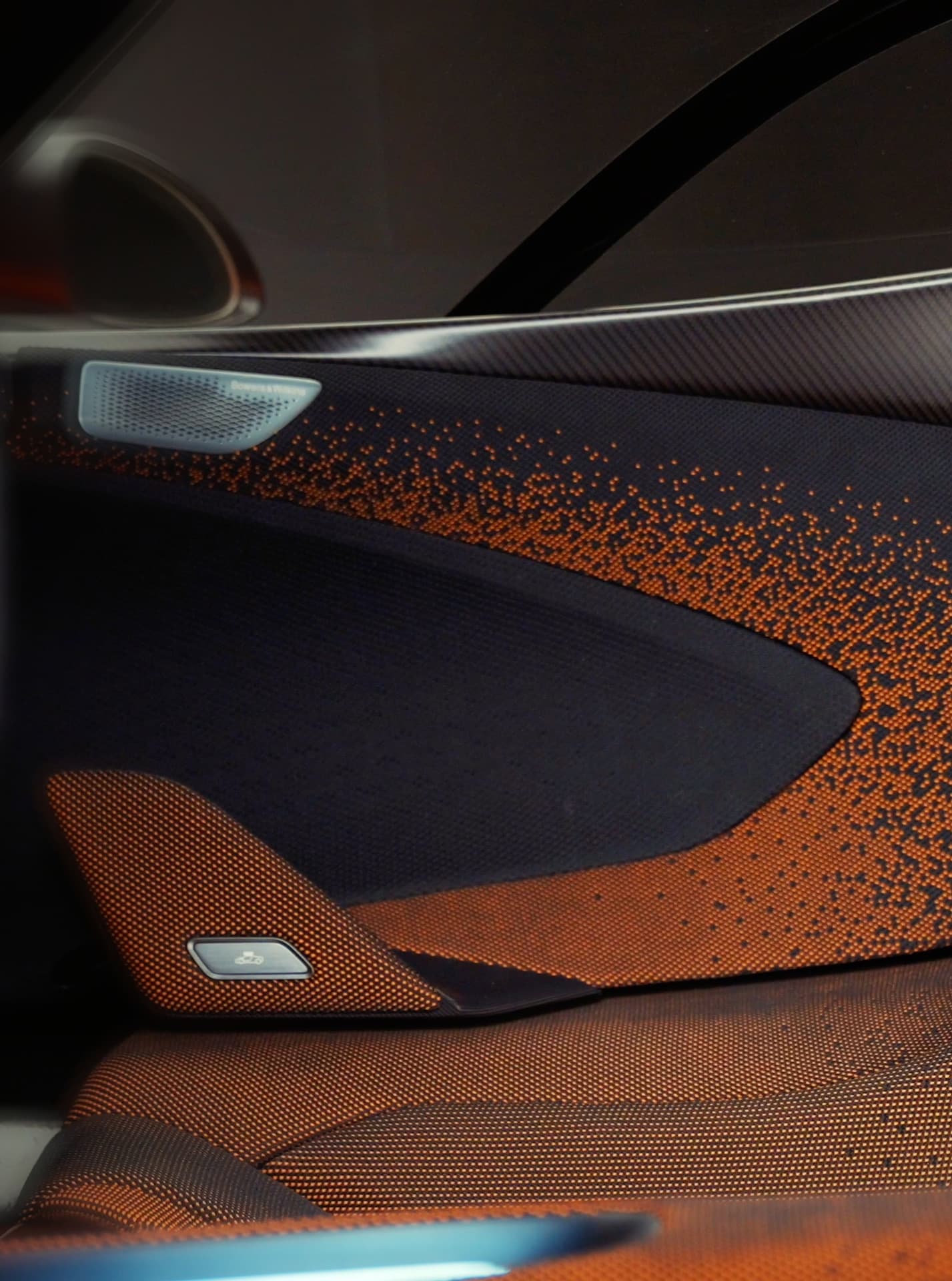
The W1 also pioneers a new, industry-first trim option called McLaren InnoKnit. Inspired by lightweight performance knitted materials, InnoKnit is a 3D-knitted material used to create bespoke, knit-to-fit shaped panels without the need for cutting or sewing. Interior components like lighting and speakers can be integrated with the material, offering a seamless, technical look to the W1’s distinctive cabin.
RARE OPPORTUNITY
“To lead the McLaren W1’s interior was just a fantastic experience,” says Alex. Limited to just 399 examples, the low-volume W1 offered the team a rare opportunity to explore new materials and develop new forms and ideas, like the aerospace-style roof-mounted stop-start button and a new sound-and-light entry sequence. Just as the W1 redefines performance with new levels of acceleration and downforce, so the interior also breaks new ground for supercar comfort, visibility and engagement.
W1 STORIES

McLaren W1 Hot Weather Testing in Arizona
Discover how we pushed the W1 to balance its world-beating supercar performance with capability in the most challenging conditions.
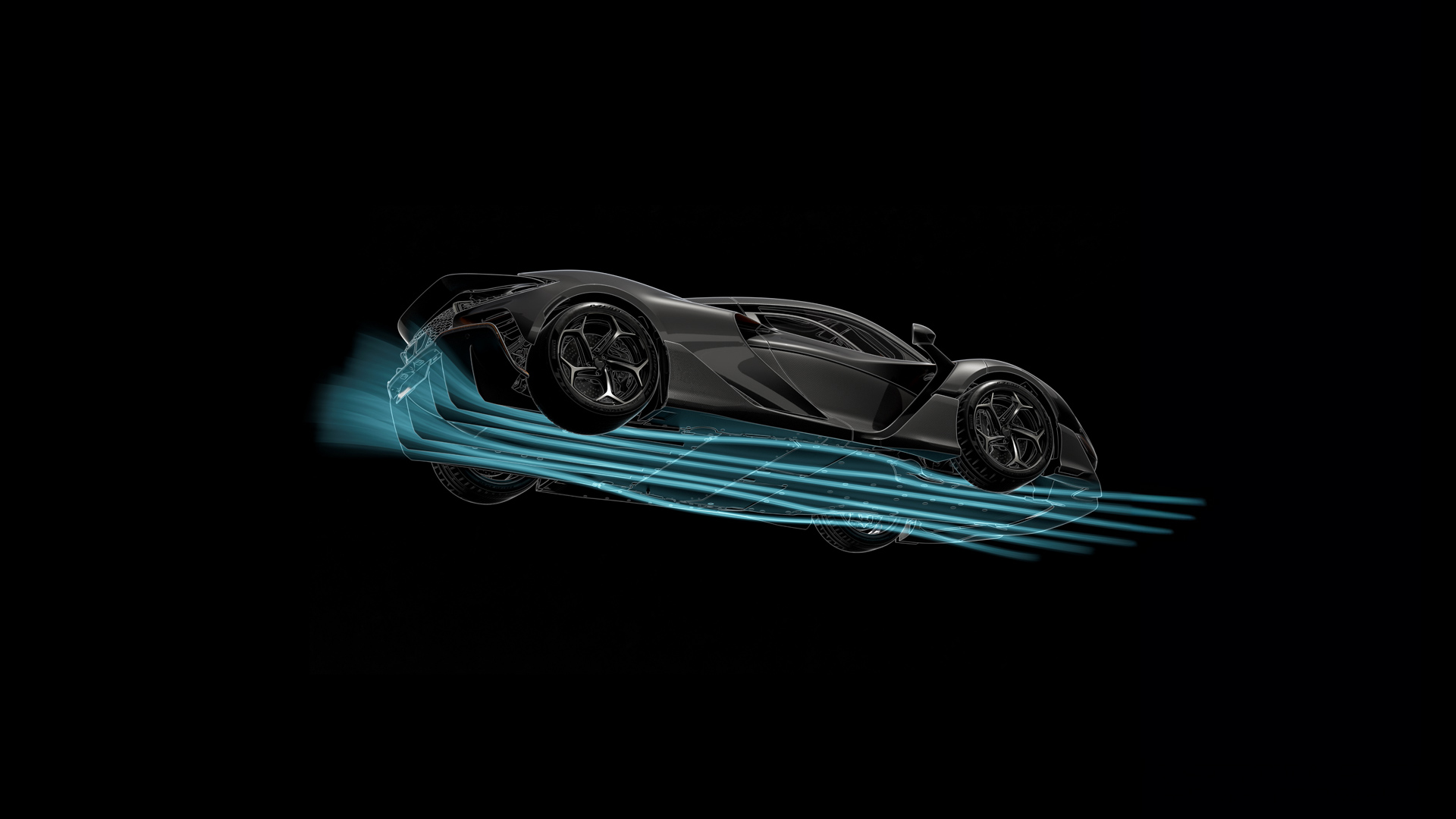
McLaren W1 Aerodynamics: Formula 1™ ground effect reimagined for the road
Discover McLaren W1’s aerodynamics. Advanced Aerodynamics Architect Robin Algoo reveals how Formula 1™-inspired ground effect delivers unprecedented grip, balance, and downforce.
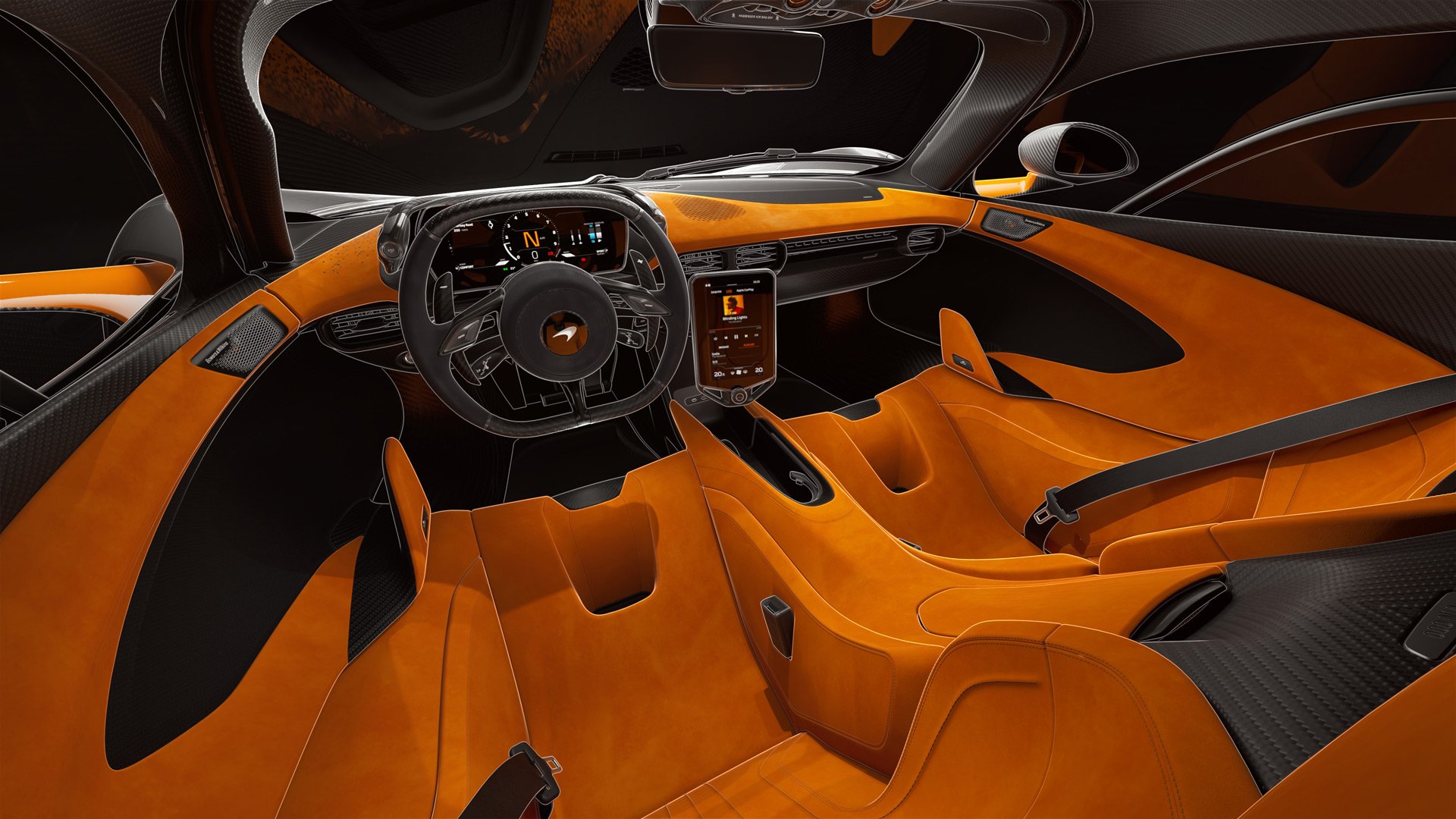
McLaren W1 Interior: Optimised, Focused, Innovative
Explore the personal stories behind McLaren W1's interior - innovative seats, new steering wheel, and bespoke McLaren InnoKnit material.

McLaren Aerocell: Meet the team behind W1's monocoque
Explore the personal stories behind McLaren W1's Aerocell, the most advanced lightweight carbon monocoque inspired by Formula 1™.

McLaren W1 Winter Testing in the Arctic
Discover how we pushed the W1 to balance its world-beating supercar performance with capability in the most challenging conditions.

Five with Lando
Lando Norris has firmly established himself as a top Formula 1 driver, but he also has a passion for beautiful automotive design and engineering. We take five minutes to talk to Lando about his favourite bits of our Real Supercar, the W1.

The New McLaren '1' Car: McLaren W1
The W1 continues the incredible innovation and engineering legacy of the F1 and P1™, shaped by the same real supercar design principles that forged the F1 and the P1™.
Announcement New '1' Car, McLaren W1, as a successor to the F1 and McLaren P1™
Today we have confirmed the next chapter in the extraordinary story of its legendary ‘1’ car lineage. Our new supercar, named McLaren W1, will be revealed at 13:00 BST on Sunday, 6 October 2024.

What makes a '1' car: An icon that redefines what's possible
In 1992, the McLaren F1 supercar was born, our first-ever McLaren roadcar. The F1 was the icon of its generation. Two decades on, the McLaren P1 supercar arrived.

McLaren F1: The birth of the real supercar
The McLaren F1 is considered by many to be the greatest supercar ever built. With a mind-blowing power-to-weight ratio and a production run of just 106 cars, this exclusive powerhouse remains one of McLaren’s most compelling success stories to date.
YOU MIGHT ALSO LIKE

New Artura Spider
PERFORMANCE AMPLIFIED

750S
RELENTLESS PROGRESS